
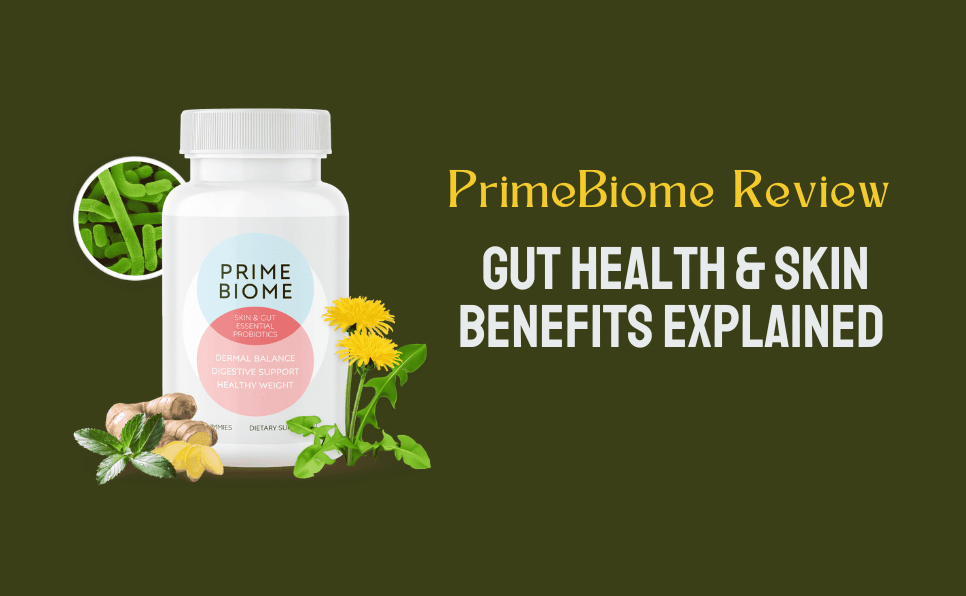
PrimeBiome Review 2025: What It Does for Gut and Skin
In the wellness industry, the connection between gut health and skin appearance is gaining traction. Many people struggle with digestive issues, inflammation, and skin problems like acne, dullness, or uneven texture—all of which can be influenced by gut health. PrimeBiome is a supplement designed to support both digestive balance and skin vitality. But how effective is it, and is it worth trying? This article provides an in-depth look at PrimeBiome, including its ingredients, benefits, drawbacks, and comparisons to similar products. primebiome24.com Serving Size 1 Gummy Servings Per Container 30 Calories 45 Sodium 30 mg (1%) Total Carbohydrate 11 g (4%) Dietary Fiber 0.4 g (1%) Total Sugars 3 g (includes 2 g added sugar – 4%) Bacillus coagulans 500 million CFU Proprietary Blend 430 mg Includes Chicory Root Inulin, Babchi Powder, Fennel Seed Powder, Fenugreek Powder, Ginger Root Extract, Lemon Balm Leaf Extract, Lion’s Mane Powder, Slippery Elm Bark Powder, Dandelion Leaf Powder Other Ingredients Pure Cane Sugar, Corn Syrup, Deionized Water, Apple Pectin, Citric Acid, Trisodium Citrate, Black Carrot Extract (Color), Natural Flavors, Tapioca Starch What Is PrimeBiome? PrimeBiome is a dietary supplement that combines probiotics, prebiotics, and herbal ingredients to promote gut and skin health. The idea behind it is simple: by supporting a balanced gut microbiome, the body can better absorb nutrients, reduce inflammation, and improve overall well-being—including skin clarity and hydration. Unlike traditional probiotics that focus solely on digestion, PrimeBiome is formulated with additional natural extracts known for their skin-nourishing and detoxifying properties. PrimeBiome: Key Ingredients and Their Benefits A combination of probiotics, prebiotics, and natural herbs, PrimeBiome includes some standout ingredients: Bacillus Coagulans Bacillus Coagulans A resilient probiotic strain that supports gut health by balancing beneficial bacteria. It produces lactic acid, which helps maintain a healthy gut environment, improving digestion and nutrient absorption. Studies suggest it may also reduce bloating, enhance immune function, and lower inflammation, leading to clearer, healthier skin. Babchi (Psoralea corylifolia) Babchi An ancient Ayurvedic herb known for its skin-healing properties. Babchi is rich in psoralen, a compound that stimulates melanin production, making it effective for conditions like vitiligo, hyperpigmentation, and uneven skin tone. It also has antibacterial and anti-inflammatory effects, promoting collagen production and reducing fine lines. Dandelion (Taraxacum officinale) Dandelion A powerful detoxifying herb packed with antioxidants, vitamins A, C, and E, and minerals like potassium and zinc. It supports liver function, helping the body eliminate toxins that contribute to dull skin and digestive issues. Its anti-inflammatory properties can reduce acne, while its prebiotic compounds support gut health by nourishing beneficial bacteria. Fennel (Foeniculum vulgare) Fennel A natural digestive aid known to reduce bloating, gas, and indigestion. It contains anethole, a bioactive compound that relaxes the digestive tract, promoting smooth digestion. Rich in vitamin C and antioxidants, fennel also supports skin repair, reduces oxidative stress, and helps maintain hydration, contributing to a youthful complexion. Inulin Inulin A type of soluble fiber that acts as a prebiotic, feeding beneficial gut bacteria like Bifidobacteria and Lactobacilli. Inulin enhances digestion, promotes regular bowel movements, and improves nutrient absorption, which indirectly supports skin health by reducing inflammation and preventing toxin buildup. It may also help regulate blood sugar levels, contributing to balanced hormones and clearer skin. Fenugreek (Trigonella foenum-graecum) Fenugreek A medicinal herb with powerful digestive and anti-inflammatory benefits. Rich in fiber and mucilage, fenugreek soothes the digestive tract, reducing acid reflux and bloating. It also contains saponins and flavonoids that support skin health by reducing redness, improving hydration, and accelerating wound healing. Lemon Balm (Melissa officinalis) Lemon Balm A calming herb traditionally used to ease stress and anxiety, which can significantly impact digestion and skin health. By reducing cortisol levels, lemon balm helps prevent stress-related breakouts and inflammation. It also has antimicrobial and antioxidant properties that protect the skin from environmental damage while soothing irritation. Organic Ceylon Ginger (Zingiber officinale var. Ceylon) Organic Ceylon Ginger A potent digestive aid with anti-inflammatory and antioxidant properties. Ginger stimulates digestive enzymes, easing nausea and bloating while promoting gut motility. Its high gingerol content helps reduce systemic inflammation, which can manifest as skin redness, acne, or premature aging. Additionally, ginger enhances circulation, delivering essential nutrients to the skin for a radiant glow. Organic Lion’s Mane (Hericium erinaceus) Organic Lion’s Mane A medicinal mushroom known for its cognitive and neurological benefits, but also highly effective for gut and skin health. It contains bioactive compounds like hericenones and erinacines that support gut lining repair and reduce inflammation, potentially alleviating leaky gut syndrome. A healthy gut microbiome is linked to reduced acne, eczema, and other inflammatory skin conditions. Slippery Elm Bark (Ulmus rubra) Slippery Elm Bark A medicinal mushroom known for its cognitive and neurological benefits, but also highly effective for gut and skin health. It contains bioactive compounds like hericenones and erinacines that support gut lining repair and reduce inflammation, potentially alleviating leaky gut syndrome. A healthy gut microbiome is linked to reduced acne, eczema, and other inflammatory skin conditions. 📩 Stay Updated! Subscribe to our newsletter and never miss out on exclusive updates. Subscribe Now ✅ Thank you for subscribing! How Does PrimeBiome Work? PrimeBiome supports gut and skin health through a synergistic blend of probiotics, prebiotics, and herbal extracts. It introduces Bacillus coagulans, a resilient probiotic that survives stomach acid and helps restore balance in the gut microbiome. Inulin, a prebiotic fiber, nourishes good bacteria to enhance their activity. Calming herbs like Slippery Elm Bark, Fennel, and Lemon Balm help soothe the digestive system, easing bloating and discomfort. Meanwhile, Dandelion, Fenugreek, and Organic Ceylon Ginger gently support detoxification. Babchi promotes skin renewal, and Organic Lion’s Mane may aid in gut-brain balance. Together, these ingredients work to improve digestion, reduce inflammation, and support clearer, healthier-looking skin from within. How Gut Health Affects Your Skin? Infographic of the gut-skin axis showing how digestive imbalance and inflammation can lead to skin issues like acne and redness. Emerging research highlights the close relationship between the gut and skin, often referred to as the gut-skin axis. When the gut microbiome is
PrimeBiome Review 2025: What It Does for Gut and Skin Read More »